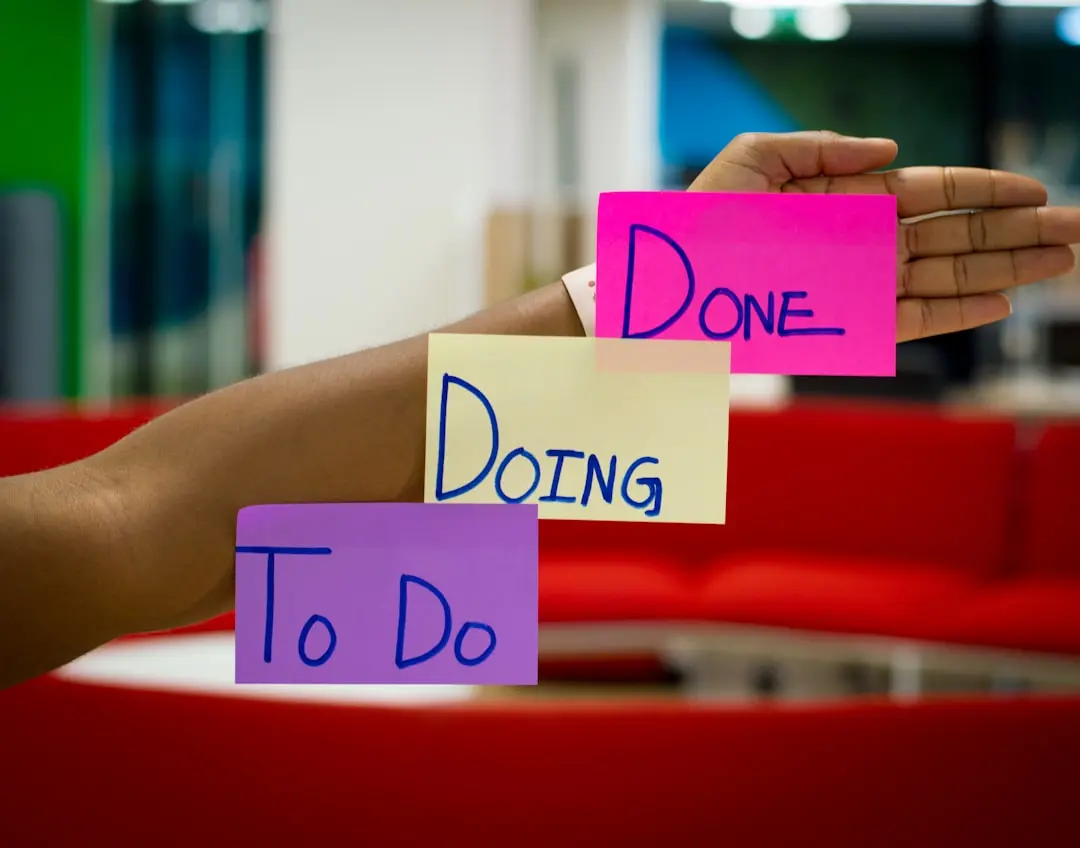
Breaking Bad Habits: Strategies for Overcoming Procrastination, Negative Thinking, and More
Procrastination and negative thinking are common challenges faced by many individuals, especially in today's digital age. With constant distractions and the pressure to perform, it's easy to fall into the trap of putting off tasks or succumbing to self-defeating thoughts. The impact of these habits can be detrimental to one's productivity, mental health, and overall quality of life.
According to a recent study published in the Journal of Behavioral Addictions, procrastination is linked to higher levels of stress and lower academic performance among college students. The research, conducted by a team of psychologists from Harvard University, highlighted the need for effective strategies to combat procrastination and its negative effects.
Procrastination is not just about poor time management; it's often a coping mechanism for underlying issues such as fear of failure or perfectionism. Recognizing the root cause is crucial in addressing this habit effectively. - Dr. Emily Jones, Psychologist
In a digital era where social media feeds are filled with curated perfection and success stories, it's easy to fall into the trap of comparing oneself to others. This constant comparison can lead to negative self-talk and feelings of inadequacy. Psychologists recommend practicing self-compassion and mindfulness to counteract these harmful thought patterns.
When it comes to breaking bad habits like procrastination and negative thinking, seeking professional help or guidance from a mentor can be beneficial. Cognitive-behavioral therapy (CBT) has been proven effective in addressing negative thought patterns and developing healthier coping mechanisms. It's important to remember that change takes time and effort, but with perseverance, it is possible to overcome these challenges.
The impact of breaking bad habits extends beyond individual growth; it also has societal implications, especially for young people entering the workforce. Employers are increasingly recognizing the importance of mental health and well-being in the workplace, with initiatives such as mindfulness training and flexible work arrangements becoming more prevalent. By equipping individuals with the tools to overcome negative habits, we can create a healthier and more productive workforce.
In conclusion, breaking bad habits like procrastination and negative thinking requires self-awareness, resilience, and a willingness to seek support when needed. By understanding the root causes of these habits and implementing effective strategies, individuals can reclaim their productivity and mental well-being. Are you ready to face this challenge? Let us know your thoughts in the comments!


Responses (0)
Join the Discussion
Sign in to share your thoughts and engage with the community.
No Comments Yet
Be the first to share your thoughts on this article!